
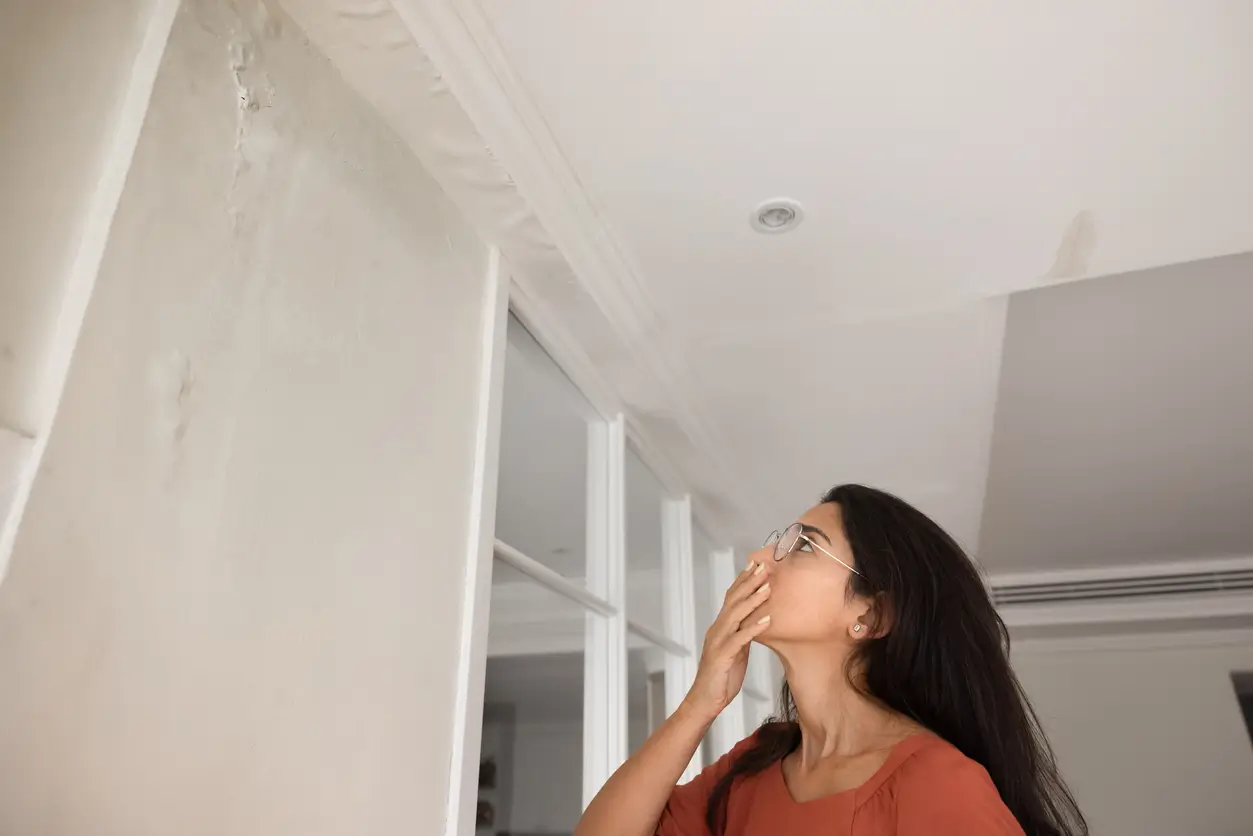
Every holiday let landlord hopes that their property will be left in the same condition it was in on check-in day. However, guest damage to your holiday cottage, whether accidental or deliberate, is inevitable.
Whether a guest breaks an appliance, stains a carpet, or throws a party, it’s recommended that hosts take a damage deposit (also referred to as a security deposit) to protect themselves from the financial implications of repairing damage.
In this guide, we will summarise our tips for collecting a damage deposit, what to do in the event of damage, and how they can be used to build trust between hosts and guests.
What is a holiday let damage deposit?
A damage deposit is a set amount of money that guests pay to cover any damage and other costs incurred by the owner (e.g., additional cleaning) after a guest’s stay.
If there is no damage, contract breaches or extra costs incurred after check-out, the deposit is returned to the guest in full. If damage has been caused or additional cleaning is required, then the cost of these is deducted from the deposit before returning the balance to the guest.
Clear communication of your house rules and expectations before guests book can help prevent misunderstandings about under what circumstances the damage deposit will be deducted from.
Advantages of taking a holiday let damage deposit
There are several benefits to taking a damage deposit for your holiday let.
It’s one way to ensure that, as an owner, you aren’t financially responsible for minor damage caused by guests and unexpected expenses that decrease your profits.
If there is a risk that a guest could lose their deposit, it gives them a greater sense of responsibility and respect for the property. The deposit provides a financial incentive for guests to think twice about their behaviour and take care of the property.
Security deposits tend to deter guests who might have a hidden agenda for renting your property – e.g., to throw a party.
Taking a damage deposit, having terms, conditions, and house rules in place makes it easier and less confrontational for you to charge guests if damage is done. You can refer them to your policies that they agree to when booking, and they can’t claim they weren’t aware of them.
Some guests may prefer it to a damage waiver fee. They get their deposit back if there is no damage, compared to a waiver, which is non-refundable even if there is no damage.
Disadvantages of holiday let damage deposits
There are some disadvantages to taking a damage deposit. Some hosts opt not to ask for one for a number of reasons.
Having to hand over extra money can create booking friction and deter some guests from booking your property.
The worry of potential exploitation and being wrongly charged deters some guests from booking. They fear they won’t fully enjoy their stay at the holiday cottage, due to a feeling of “walking on egg shells.
It’s often your word against the guest’s, and this can lead to disputes, bitter guests, and negative reviews.
Guests can always dispute the charge with their credit card company and request a chargeback
Managing the deposit creates additional administrative work for the host.
If you rely on a booking platform’s damage scheme, payouts can take weeks, especially if there is a dispute and you are reliant on a third party to decide who pays for the damage.
How much should you charge for a holiday cottage security deposit?
It’s essential to get the balance right between charging your guests enough to discourage risky behaviour, but not setting it so high that it deters bookings.
The amount of the security deposit is determined by the host and can vary. When setting your deposit, it’s essential to assess factors such as the value of your contents, amenities, and potential risks (e.g., does your property attract guests with kids, pets, or large groups?).
There are generally two types of holiday rental damage deposit that property managers can choose: fixed-rate and percentage.
Charging a fixed-rate security deposit
This is a fixed amount, typically £100 – £250 per week. If you manage a luxury rental or a larger property, then you may want to charge more. If you are unsure about how much to charge, check what similar properties in your area are charging. The reason is that it’s important to stay competitive with your surrounding competition, as the security deposit could be the deciding factor for the guest.
Charging a percentage rate security deposit
A percentage-based security deposit is calculated based on the total price of the booking – typically 10%.
Which should you choose? It depends on what works best for you. Fixed-rate security deposits can be easier to manage and automate as the amount rarely changes. They also tend to be higher than charging a percentage if your holiday home takes 2/3-night reservations.
When setting a security deposit amount, you’ll want to charge your guests enough to deter them from causing damage or throwing a party, but you don’t want to set it so high that it deters them from making a reservation.
The general industry recommendation is for the deposit to not exceed 20% of the cost of the booking.
Ways to collect a holiday let security deposit
When it comes to collecting a security deposit, it’s crucial that you make it clear the amount you are collecting, what the deposit covers, and how long the deposit will be held for.
The deposit can be taken in a couple of different ways, typically at the booking stage if full payment is being made, or with the balance payment.
Via a payment provider You charge the damage deposit amount to your guest’s card and then refund it once you’ve checked there’s no damage. It’s easy to automate using a payment provider (Stripe, PayPal, Worldpay, etc.) or your property management software (PMS) provider. However, there are likely to be processing fees for collecting and refunding the security deposit through a payment provider.
Credit card pre-authorisation This is where you place a temporary hold on your guest’s card for the security deposit amount.
Via the OTA that you use Each booking platform (Airbnb, Vrbo etc.) has different processes for handling security deposits for bookings made via these channels. You typically have 14 days after checkout to assess if damage was caused and make a claim.
Bank transfer Some guests will want to pay a separate damage deposit by bank transfer.
Most common type of guest damage
Damage or breakages incurred during a holiday let can typically be classified as regular, occasional, or rare.
Most damage is nominal and caused by guests being careless or not following your house rules. They may scratch your wall with their luggage or break a glass. This is normal wear and tear, and you wouldn’t typically deduct from the damage deposit to cover such damage.
Occasional damage is harsher than wear and tear and happens less often. Depending on the situation, you might withhold a part of the security deposit for incidents such as stains on furniture, towels, or bed linen, or excessive mess upon departure.
Although rare, severe damage, especially when it’s deliberate or due to negligence, should result in you withholding the security deposit. For example, broken furniture, appliances, windows, or damage to hard flooring.
How to deal with damage to your holiday let
If you notice damage after a guest has left, then it is best to have a plan in place. Here are some best practice tips to follow when taking security deposits and dealing with damage.
Inform guests of your house rules Damage control starts with detailed house rules which inform your guests how they’re expected to behave whilst staying at your property, what is prohibited, and how to leave your property at the end of their stay. Your booking terms and conditions should include all your specific house rules and any breaches that would result in full or partial loss of the damage deposit.
Have a plan to identify damage
To avoid disputes, it’s essential that you have a system in place to identify when damage occurred so you can prove who is responsible. If damage only comes to light when it’s too late to identify who was responsible, then the whole point of taking a damage deposit is futile.
The simplest way is to inspect your holiday home and take photos and videos before and after every changeover. This way, you have evidence of what condition your holiday home was in when the guest arrived and its condition when they left. Cleaning and turnover apps have features that enable your cleaning staff to do this, so you have proof when the damage happened.
Encourage guests to contact you if anything gets broken or damaged
This will enable you to ensure that any visitor damage or accidental breakages are dealt with promptly before they impact the next set of guests.
Don’t sweat the small stuff
If the damage is minor and clearly accidental (e.g., scuff marks on the walls or a spillage), use your judgment and weigh the pros and cons of withholding the security deposit. Normal wear and tear and mishaps come with the territory when holiday letting, consider these expenses a part of the cost of running a business..
Deducting from the security deposit for minor damage is generally not advisable, as it can leave guests with a bad feeling after having a great holiday. This can impact their desire to return, or they could leave a negative review.
Stand by your decision
There will be incidents when damage is due to negligence or deliberate e.g., no effort made to clean up vomit, smoking, an attempt to hide a stain or holes in the wall. Don’t be afraid to deduct from the security deposit if the guest has been negligent, as that’s the whole point of taking one.
Don’t deduct from the damage deposit if you are unsure who is responsible
Unless you are 100% certain who is responsible for the damage, don’t deduct from the damage deposit. Disputes are difficult to resolve without proof and will only consume your time, morale, and lead to a negative review. If you suspect the guest is guilty but can’t prove it, simply put them on your never-rent-to-again list.
Refund the holiday cottage damage deposit promptly
Inspect your property for damage as soon as your guests leave so you can return the deposit either partially or in full as quickly as possible. Guests should not have to contact you after check-out to get their security deposit back.
Tips when withholding a holiday cottage security deposit
If you intend to retain a portion or all of their deposit, you should inform guests immediately. Include any evidence to support your reason – photos or video, and a copy of your house rule that has been breached. Although it’s annoying that your property hasn’t been treated with respect, be professional and keep your emotions out of it.
Only deduct from the security deposit a reasonable amount to cover your loss and allow for depreciation where necessary. You can’t expect a guest to pay to replace a stained rug ‘new for old’ if it’s 10 years old and worn.
Also, send guests an itemised list of any costs you have incurred as proof.
Here’s a sample email that you could send:
Hi, [guest name]. I hope you enjoyed your holiday in [property name]. Unfortunately, after your stay, our cleaner reported some damage during the walkthrough inspection [give details of the loss or damage]. I’ve attached time stamped photos of the property before and after your stay to clarify that this happened during your stay.
I’m sure it wasn’t intentional, but as per our booking terms and conditions, we’ll be retaining [amount] from your security deposit to cover the cost incurred and refunding [amount if relevant], being the remainder of the deposit.
I’ve also attached receipts detailing the cost to repair the damage [or replace items].
Regards
[your name]
What if guests deny they caused the damage and refuses to pay?
On occasions, there will be guests who insist they didn’t cause any damage and contest paying. Politely but firmly tell them that they agreed to be charged for damage in the booking terms and conditions, and that you have evidence that proves that the damage occurred during their stay. Typically, this puts an end to disputes so you can move on.
If the guest still refuses to pay, and the loss is nominal, then you could absorb the costs as ‘being the nature of the business’ or try to recover expenses via the small claims court. However, this can sometimes end up costing more in the long run unless the loss is significant, plus it can be a stressful process. It will be your word against theirs, so you’ll need strong evidence that the guest has caused the damage and that it exceeds normal wear and tear.
If you don’t have sufficient evidence, you’ll have to refund the damage deposit to the guest.
Dealing with review blackmail
Some guests may threaten to criticise you on social media and leave a bad review if you don’t return their deposit in full. Don’t worry, you can report their threats to the listing or review site in question. They will generally remove unfounded reviews. If the bad review goes live, reply, explaining your side of events. Your supporting evidence should work in your favour and prove that the guest was in the wrong.
What to do when the damage exceeds the damage deposit amount?
There may be certain occasions when the loss or damage will cost more to repair than the damage deposit taken. You can attempt to recuperate the extra costs from the guest, via the small claims court if necessary, or claim on your holiday letting insurance.
How to protect your holiday let against damage
Although you can’t avoid guest damage completely, having screening processes in place to spot troublesome guests in advance greatly reduces your chances of hosting troublesome guests. Here are some red flags to watch out for:
Bad guest reviews – If the booking is via an OTA such as Airbnb, check host reviews of the guest from past bookings for any red flags. Hosting guests with no previous reviews or who have just joined the listing site can also be risky.
Questioning your rules – Guests question your house rules or ask you to make an exception, for example, your property sleeps 4, but they ask if 2 children can also sleep on inflatable beds.
Poor grammar – If the guest emails are littered with spelling mistakes, unnatural questions, and jargon, this could indicate a scammer.
Payment problems – If guests pay late, their card gets declined, or they want to pay by an alternative method.
They live locally – If the guest lives nearby, this should raise your suspicions. They might be looking to rent a holiday home to throw a party.
To summarise
Unfortunately, there’s no way to avoid guest damage completely. But a damage strategy is one of the most effective ways to protect your holiday let from enduring extra costs.
Specialist Holiday Home Insurance
If you need peace of mind for your holiday home, you may want to consider specialist holiday home insurance. Get a quote online today.
Please note the information provided on this page should not be taken as advice and has been written as a matter of opinion. For more on insurance cover and policy wording, see our homepage.